
Why I use AI for my product photos
From workshop photo to studio render. On efficiency, a bit of vanity and why prettier is not always better.
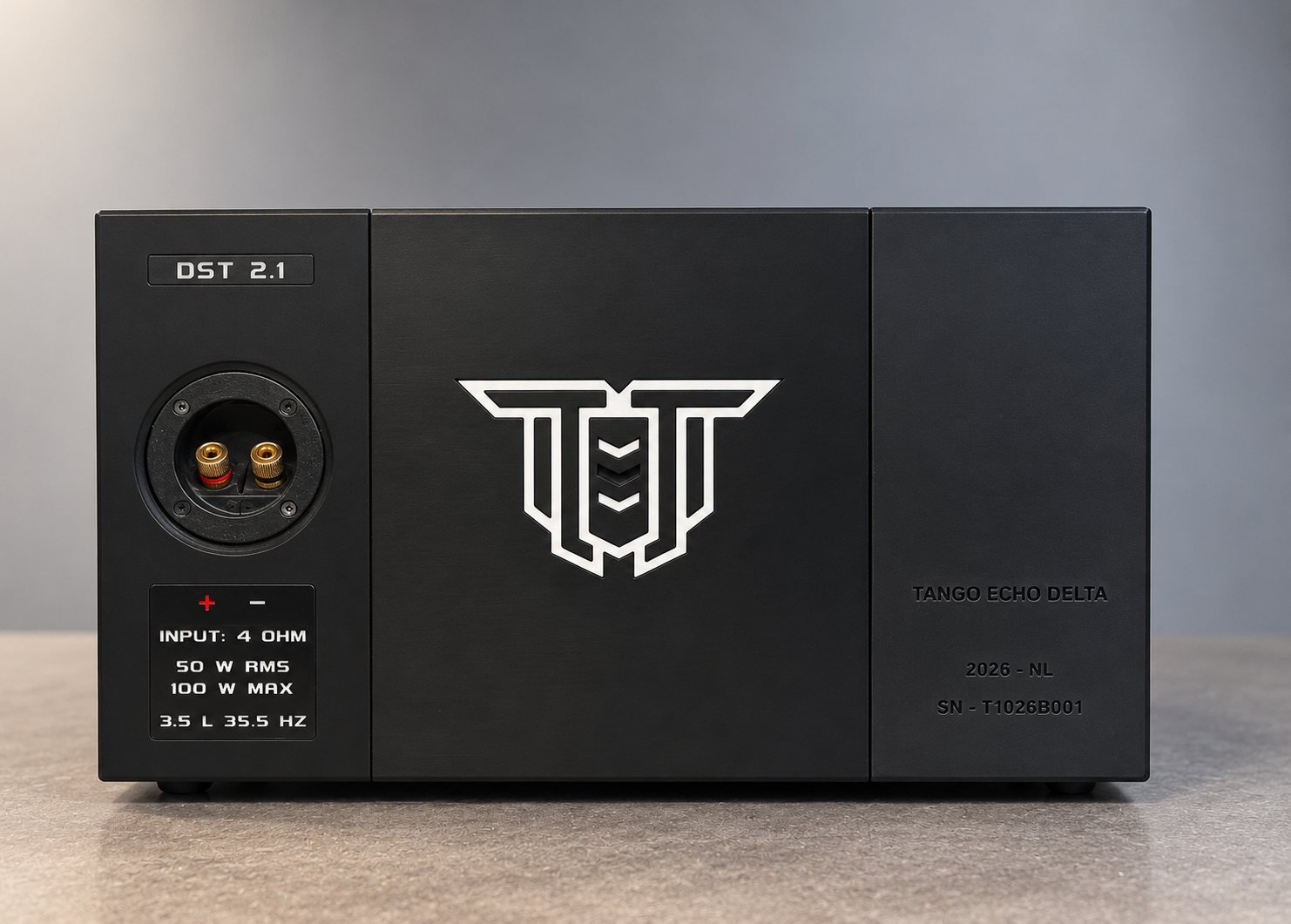
Making a good product is one thing. Making a good photo of it turns out to be almost a project of its own.
You would think it is not that complicated these days. I have an iPhone 15 Pro and you can take excellent photos with it. But a good camera is no guarantee of a good product photo.
The lighting is just slightly off. There is something in the background that absolutely does not belong there. The product is placed just wrong, the colours are off, or half the detail disappears into the shadows.
And you usually only find out when you want to use the photos on your website.
My workshop is not a photo studio
During development I am mostly busy designing, 3D printing, testing, adjusting and improving. Taking photos is part of it, but it is not where I want to spend most of my time.
For consistently good product photography you really need a fixed spot. Suitable lighting, a calm background and a setup you do not have to reinvent every time.
All of that is quite doable. Space is not even the biggest problem anymore.
But every photo session takes time. And then comes the trade-off: do I invest that time in product photography or in the next improvement of the product?
Content is important. It is just not my core business.
This is exactly where AI comes in.
A prototype has a bad Monday too
Photographing a prototype as it happens to be standing on your workbench sometimes feels a bit like someone unexpectedly taking your profile picture on a Monday morning.
You are not prepared, the light is awful, you are not looking your best, and then that photo ends up everywhere.
Technically, it is simply a real photo. But whether it is the best presentation of who you are is another matter.
Prototypes work just the same.
There may still be a small seam I want to improve, the surface finish is not quite as intended, or one part is a slightly different colour.
As a maker I see those details immediately. In fact, they tell me what to change in the next version.
AI can make those imperfections disappear in no time. Handy for visualising an intended end result, but also a pitfall. Because a prettier image does not make the prototype itself any better.
And that is where, for me, an important line is.
Three images, one real product
To show what I mean, I ran an experiment with the back of my DST 2.1 speaker enclosure.
Three versions of the same product. The same base, but each time a different degree of AI influence.
01 — The original photo
The workshop reality
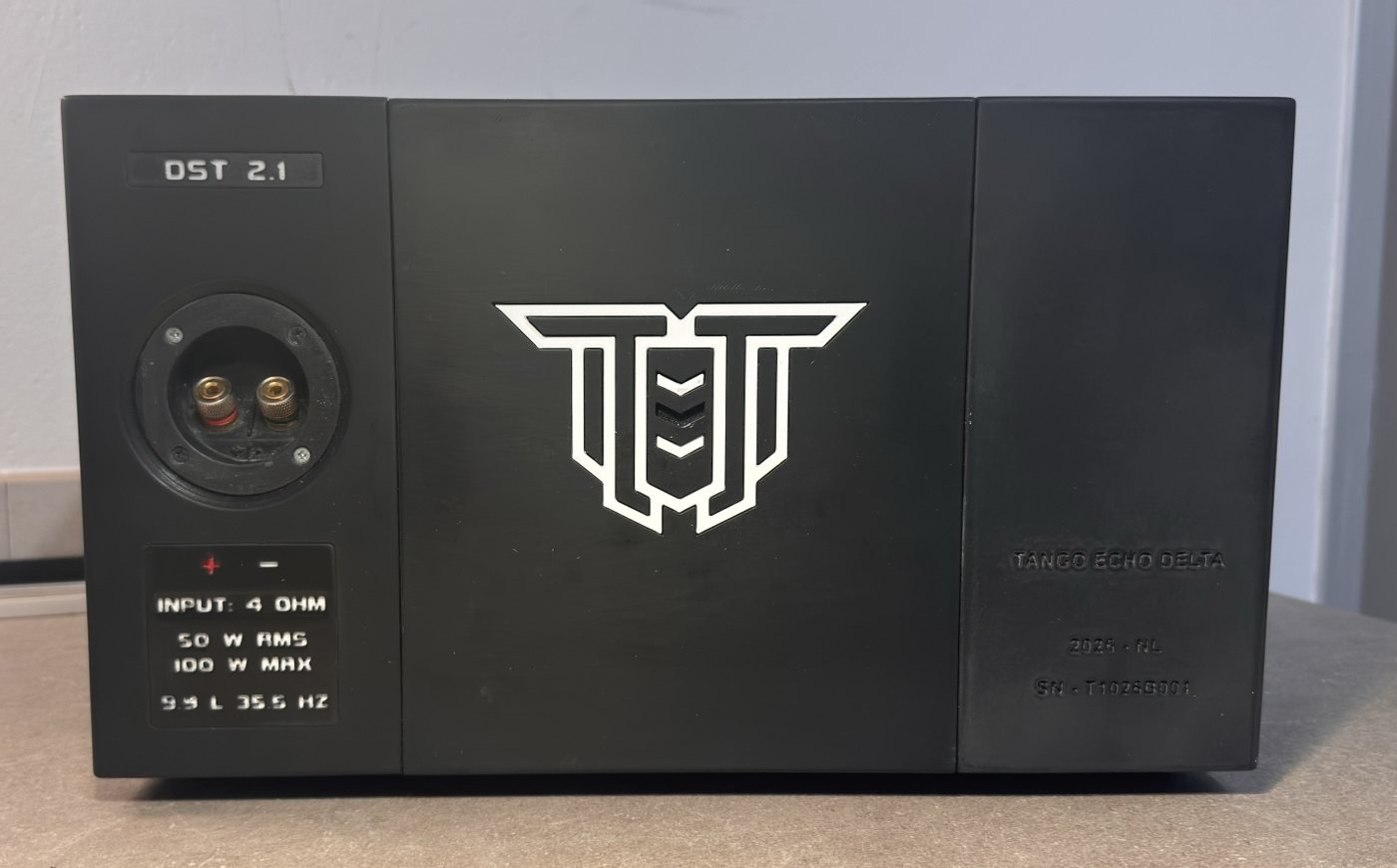
This is the original photo, straight from practice.
And honestly, I do not even think it is particularly bad. The product is clearly visible, the photo is reasonably sharp and the lighting is acceptable.
But look a bit closer and you see dozens of points that could be improved. Small irregularities in the finish, visible seams, reflections, differences in surface texture and a background that adds little.
Part of that is photography. Another part is simply the reality of a prototype.
02 — The quick AI edit
A small prompt, a big difference
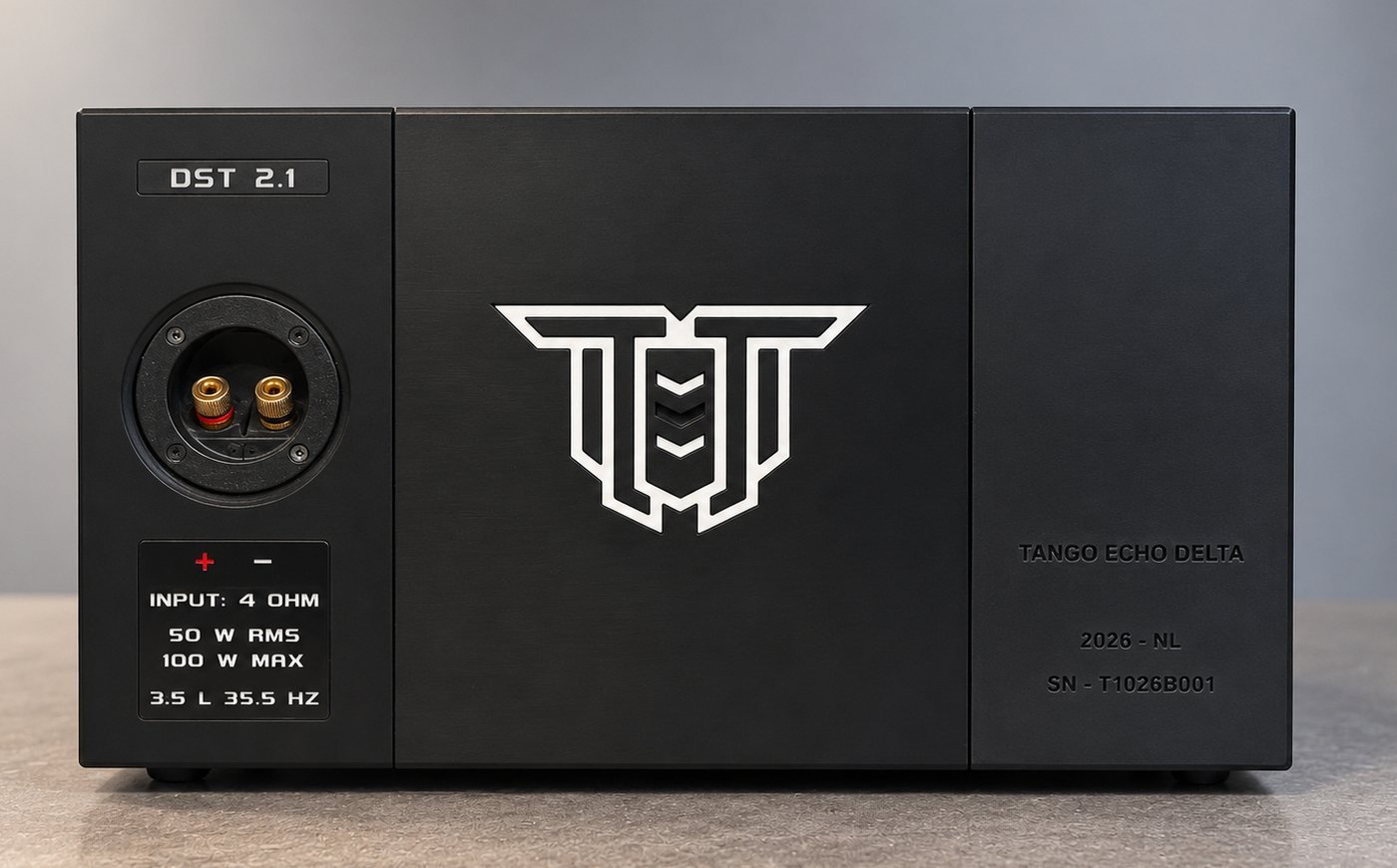
For the second version I ask AI to clean up the photo: a calm background, better lighting and a polished, website-worthy presentation.
The difference is considerable.
The background is calmer, the lighting more even and the whole looks more consistent. Without my having to turn my workshop into a photo studio.
This is exactly where AI saves me a lot of work.
But even here you can already see something interesting. AI does not necessarily limit itself to the background and lighting. It also starts to interpret the product itself.
03 — The extended studio prompt
When AI gets a little too enthusiastic
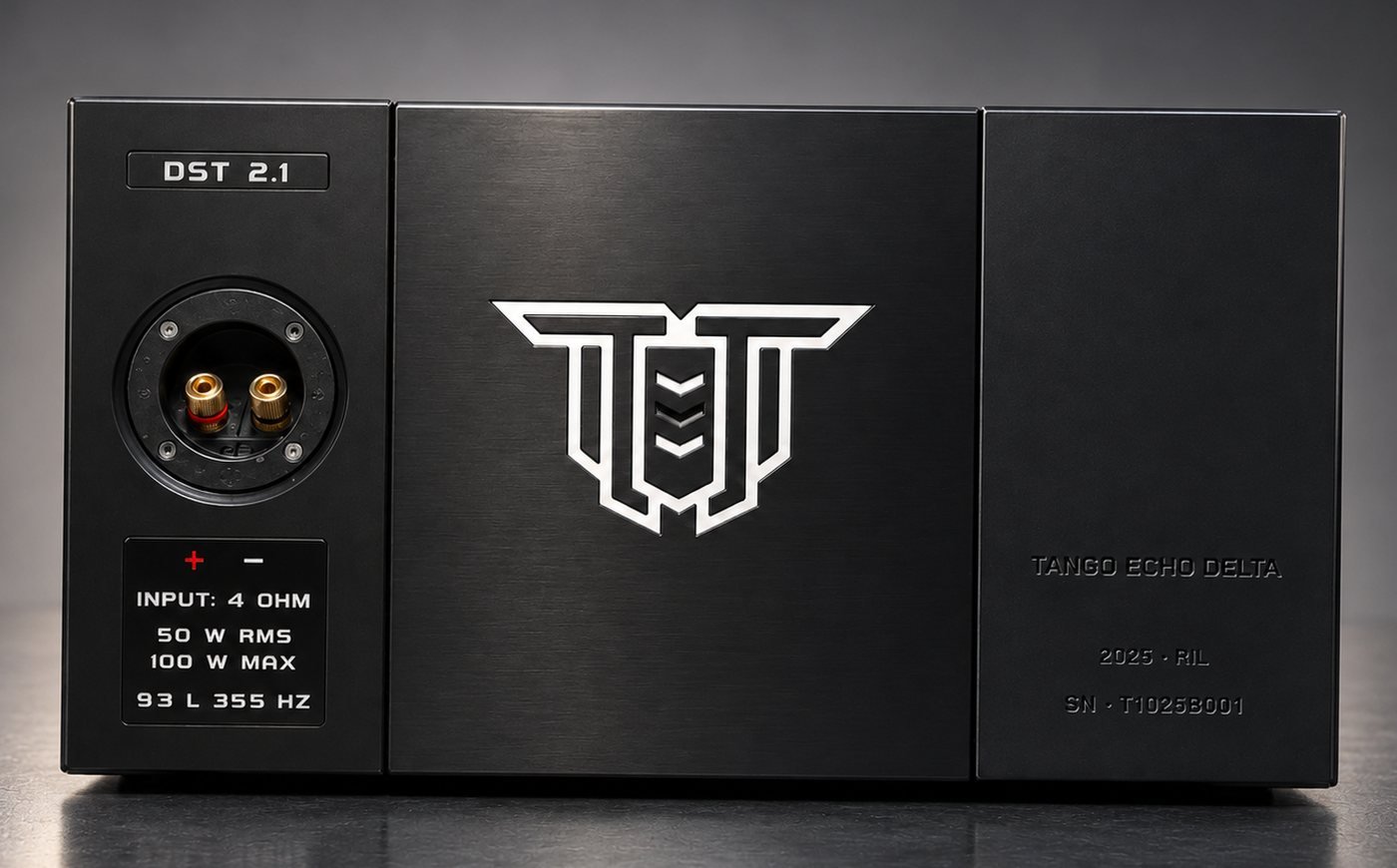
For the third version I turn up the instructions.
A premium studio presentation, controlled lighting, refined reflections, high-quality material rendering and a luxurious commercial look.
And you can tell.
The product looks sleeker, the lighting is almost perfect and the presentation takes on something of a professional product campaign.
But take a look at the details.
In this version, for example, the technical information is no longer reliably carried over. Where the original says 2026, suddenly 2025 appears. Other inscriptions and specifications have changed as well.
Those are not cosmetic improvements. Those are factual errors.
And that makes this experiment even more interesting.
The word ‘studio’ is sometimes enough
What strikes me is how strongly AI reacts to certain words in a prompt.
Where I think of a calm background and good lighting when I say ‘studio’, AI regularly seems to take on an entirely different ambition.
Premium. Luxury. High-end. Commercial product photography.
Before you know it, you get dramatic reflections, perfectly smooth surfaces and a product that is almost too good to be true.
That is not a fixed rule. The outcome differs per model, image and instruction. But it does show how decisive your choice of words can be.
You ask for a better photo and sometimes, unnoticed, get a partly redesigned product back.
Remarkably, I often find the first AI result the best. Then I try to improve one detail with extra instructions, after which something changes somewhere else.
Another correction. Another attempt.
And in the end you wonder why you did not simply stay with version one.
So with AI, too, more effort is apparently not automatically a better result.
But is it still real?
That is a fair question.
The product is real. I designed it, made it, and it is right in front of me.
But the image can certainly deviate from reality.
And I want to be open about that.
Replacing a background or improving the lighting is something different, to me, from changing a technical specification or making a construction detail disappear.
With a prototype it can be interesting to use AI to visualise what a next, better finished version could look like. But then it is an impression of the intended result, not an exact record of the existing product.
I find that distinction important.
That is why on Tango Echo Delta I state when images have been edited with AI. Not because it is something I have to justify, but because I value transparency.
AI does not have to be invisible to be valuable.
The middle way
Could I make better and technically more reliable photos with a professional photo studio?
Absolutely.
But is that the best use of my time and resources right now? Not always.
Especially during the development phase, AI offers me an excellent balance between speed, image quality and consistency.
That does not mean every render is automatically suitable for publication. Some are too smooth, others deviate too much from the original and now and then AI simply makes a complete mess of it.
Then you still have to look critically.
In the end it is not about AI being perfect. It is about being able to reach a more usable result within the available time than if I photographed and post-processed everything myself.
And that is where AI genuinely delivers value for me right now.
That is why I use AI. Not to sell a product that does not exist, but to present my work better, without letting the presentation become more important than the work itself.
And you?
Do you find AI-edited product photos fine as long as they stay representative, or would you always rather see the original photo, imperfections included?
I am curious where you draw that line.
And yes, this text was also written and edited with the help of AI.
Did you notice?
— Tango Echo Delta
For me, AI is not a trick, but an efficient layer between workshop reality and a presentation worthy of the website.